Two providers can quote the same price, use the same buzzwords in their pitch, and deliver two completely different results six months later. One brings in steady organic traffic. The other produces a folder of decent articles that never move a ranking. The difference usually comes down to a handful of specific qualities that separate a great SEO content writing service from one that just fills a content calendar.
This article breaks down exactly what makes a great SEO content writing service, so you know what to look for whether you're hiring out or building the skill in-house.
It starts with real keyword research, not guesswork
The single biggest differentiator is what happens before any writing starts. A great SEO content writing service treats keyword research as the foundation, identifying topics with genuine search volume and a realistic chance of ranking given the site's current authority. A weaker provider skips straight to writing based on a topic you or they guessed at, which means even excellent prose is aimed at a target that may not exist. If you want a deeper look at how to run this step properly, our guide on SEO article writing services covers the research process in detail.

The writing actually reads well
SEO knowledge alone isn't enough. A great service writes content that a real person would want to finish reading, not just something built to satisfy a keyword density checklist. That means natural sentence structure, a voice that matches the brand, and enough depth to actually answer the question instead of circling it. This is exactly the distinction we walk through in SEO content writing vs. content writing, since the best providers manage to do both well at once.
On-page SEO is built in, not left to you
Titles, meta descriptions, headers, image alt text, and internal links should be part of the deliverable, not something you're expected to figure out after the fact. A great SEO content writing service treats these as core to the job, since a well-written article with no meta description or internal linking still leaves easy ranking opportunities on the table.
There's a human in the loop
AI tools have made drafting faster across the board, and AI SEO content writing service pricing per article in 2026 reflects that, often running lower than fully human-written work. But a great provider still has a person reviewing, fact-checking, and editing the final piece rather than publishing raw AI output. Search engines have gotten noticeably better at recognizing generic, unedited AI content, and readers can usually tell too.
Results are tracked, not just assumed
A great service doesn't disappear after hitting publish. They track which posts are ranking, which keywords are gaining traction, and which topics need a second look, then use that data to shape what gets written next. A provider who can't show you performance data after a few months either isn't tracking it or doesn't have good news to share.

It's consistent, not sporadic
Ranking well is rarely about one brilliant article. It's about a steady publishing rhythm that search engines and readers can rely on. A great SEO content writing service maintains that cadence, whether that's weekly, biweekly, or monthly, rather than delivering a burst of posts and going quiet for months. The Blog Writing Services hiring guide covers what a realistic publishing schedule and contract should look like before you sign anything.
It fits into a broader strategy
The best providers don't treat blog content as an island. They think about how a new post connects to existing pages on the site, how it might get shared through social media marketing services, and how it supports the rest of a business's marketing rather than working in isolation. That kind of thinking is what separates a strategic partner from a content mill.
Why hiring the right one actually matters
The gap between a mediocre provider and a great SEO content writing service isn't small. A weak provider can cost a business months of wasted publishing, since content built around the wrong topics or missing on-page setup rarely gets a second chance to rank without a rewrite. A great SEO content writing service, on the other hand, compounds in value over time: each new post adds to a growing library of pages that reinforce each other, bring in organic traffic without ongoing ad spend, and build the kind of site authority that makes future content rank faster. The upfront cost of vetting a provider carefully is small compared to the cost of a year spent publishing content that never performs.
Common mistakes when evaluating providers
Businesses often judge a provider purely on writing samples, without asking about their keyword research process or past ranking results. Some also expect overnight rankings and switch providers too quickly, resetting progress before a strategy has had time to work. Others pick the lowest quote without confirming what's actually included, only to find keyword research and on-page setup were never part of the deal. And a few skip asking directly whether AI tools are used and, if so, whether a human still edits the output, which matters more than people often assume.

Tools that support a great process
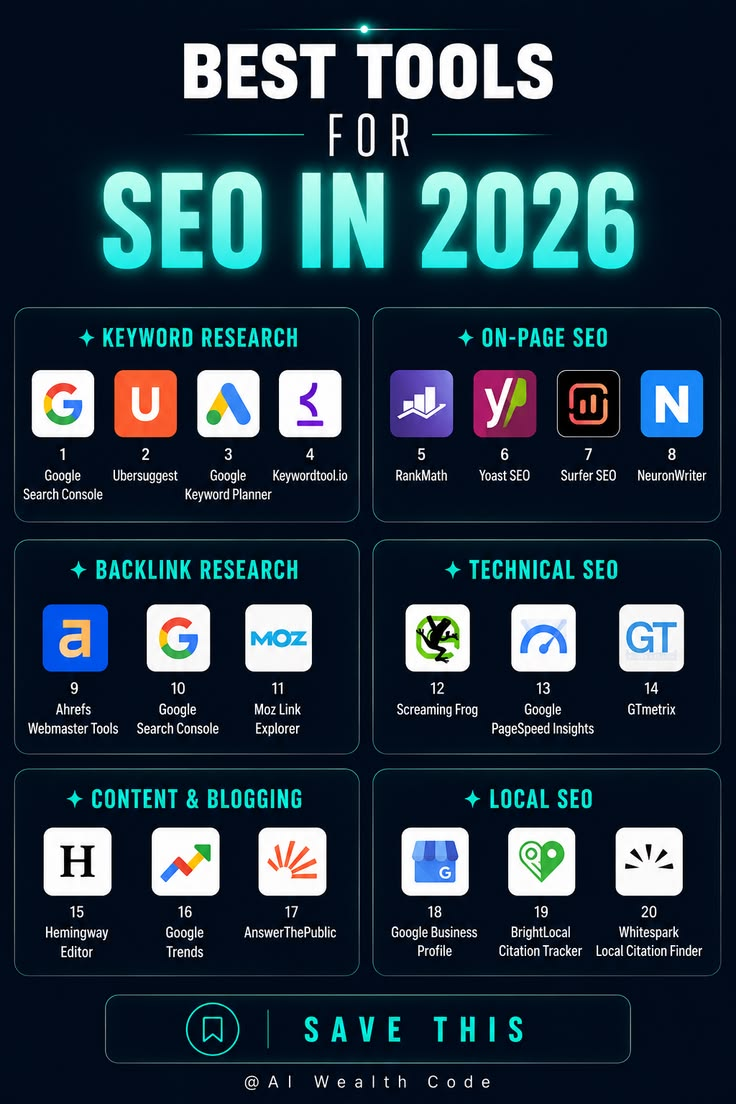 Even the best writers benefit from the right tools backing up the process. Google Keyword Planner and free tools like Keyword Surfer help confirm real search demand before a topic gets the green light. Google Search Console shows which published posts are already gaining traction and which need a second look. And for businesses managing their own WordPress site, plugins like semrush or Rank Math handle a chunk of the on-page checklist automatically, which is genuinely useful for anyone still getting comfortable with the technical side of SEO. A provider who uses tools like these as part of their process, rather than relying purely on instinct, tends to deliver more consistent results.
Questions worth asking before you commit
Ask whether they do keyword research for every piece or rely on topics you supply, whether they can show specific examples of content that's ranked and the results it drove, whether on-page SEO is included in the price, who edits the final draft, and how often you'll get updates on performance. Specific, confident answers to these are a much better signal than a polished sales pitch.
Frequently asked questions
What's the single most important sign of a great SEO content writing service? Whether keyword research genuinely drives topic selection. Everything else, writing quality, on-page setup, consistency, matters, but none of it helps if the content is built around the wrong topics from the start.
Is a higher price always a sign of better quality? Not automatically, but very low prices usually mean keyword research and on-page optimization aren't included. It's worth confirming exactly what's covered before comparing providers on price alone.
How can I tell if a provider actually knows SEO or just writes well? Ask them to walk through their keyword research process and show examples of content that's ranked, not just samples that read well. A provider who can't speak to strategy is likely offering writing without the SEO half.
Should a great provider use AI at all? Plenty of strong providers do, especially for first drafts, as long as a human still edits, fact-checks, and refines the piece before publishing. The concern isn't AI itself, it's unedited AI output going straight to the client.
How soon should I expect to see results from a great provider? Even the best providers typically need three to six months of consistent publishing before rankings and traffic show meaningful movement. Anyone promising faster is likely overselling.
Key takeaways
- Real keyword research, not guesswork, is the foundation that separates a great SEO content writing service from a mediocre one
- On-page SEO, human editing, and performance tracking should all be part of the deliverable, not extras
- Consistency in publishing matters as much as the quality of any single piece
- Ask specific questions about process and past results rather than judging on writing samples or price alone
- A great provider connects content to the rest of a business's marketing instead of treating it as an isolated task